
Why are your laboratory test results consistently inaccurate? The problem may lie in the very first step of mineral sample preparation! Although this stage accounts for only 60% of the total workload in the laboratory testing process, it contributes a staggering 90% of the sources of testing error. Many laboratories repeatedly calibrate their instruments and optimize their testing methodologies, yet they remain unable to keep their error rates within an ideal range; the root cause lies precisely in the initial stages of mineral sample handling—the very area most prone to oversight. In laboratory work, even a minor oversight can cause an entire test to deviate from the true value, thereby rendering all subsequent testing efforts completely futile. However, this problem is not without a solution—by mastering the correct methods for mineral sample preparation, you can effectively and permanently eliminate these persistent issues.
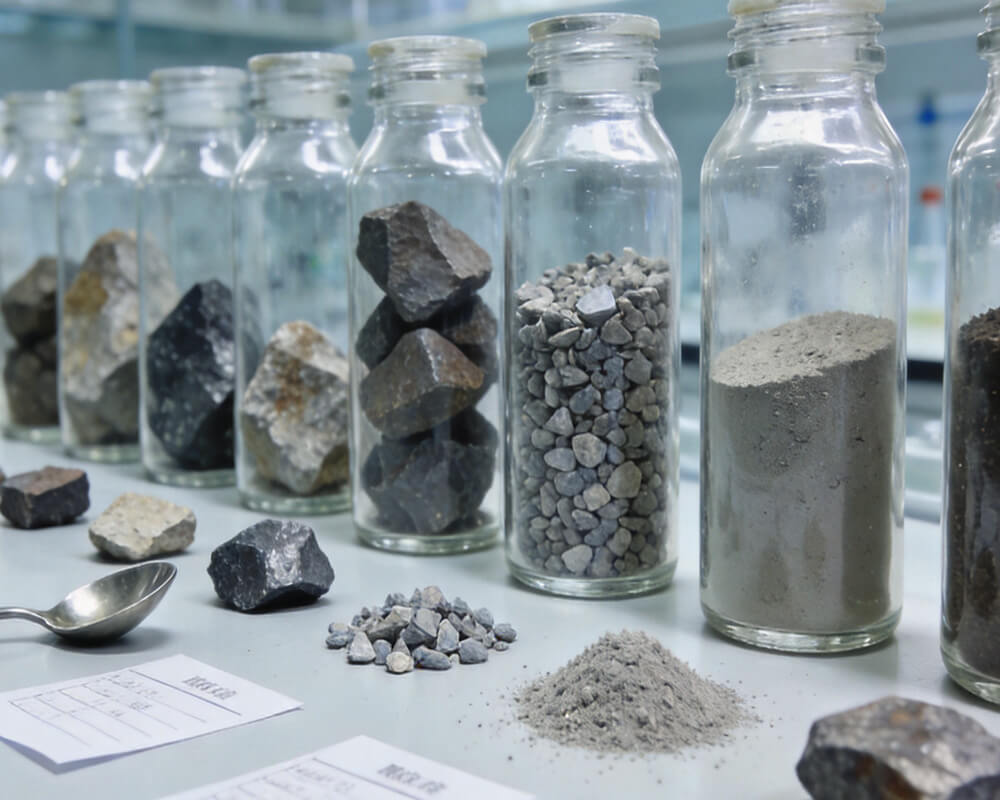
90% of potential errors can be avoided through the standardization of mineral sample preparation procedures. Key operational points are covered across the entire workflow, including sampling, staged crushing, contamination-free grinding, rigorous quality control, and process automation upgrades.
Table of Contents
Main Sources of Error in Lab Mineral Testing
Why is it that even with meticulously designed experimental protocols, the resulting data consistently fall short of expectations? The accuracy of ore analysis results depends—to the extent of over 80%—on the correctness of the sample preparation procedure. Even when utilizing the most advanced analytical instrumentation, if the sample itself is contaminated, exhibits non-uniform particle size, or lacks representativeness, the resulting data is rendered entirely meaningless.
Types of Errors:
(1) Sampling Error: If sampling points are distributed illogically, the sample quantity fails to meet the minimum requirements corresponding to the ore’s particle size, or country rock from adjacent strata is inadvertently included during collection, the acquired sample cannot accurately represent the true composition of the ore body. Consequently, regardless of the precision applied during the preparation and analysis stages, the resulting data will inevitably deviate from reality.
(2) Preparation error: mostly due to improper operation during crushing, grinding, and reduction processes. For instance, failure to achieve the required particle size during crushing may prevent the complete dissolution of certain refractory minerals; excessive grinding duration can disrupt the crystalline structure of elements; or arbitrary discarding of sample portions during splitting—all of which directly compromise the accuracy of subsequent analyses.
(3) Cross-contamination: The equipment was not thoroughly cleaned after processing high-content samples, and the grinding media contained components of the previous sample. Alternatively, failure to properly decontaminate sample containers before use can introduce extraneous contaminants.
(4) Human error: such as changing the operating procedure, confusing the sample label, recording error, fatigue, lack of experience or random operation, all of which are deviations caused by non-standard behavior of operators.
Consequences of Errors:
Analytical errors primarily lead to distorted data results, thereby misleading mineral resource assessments and the formulation of ore beneficiation strategies. Frequent deviations in results necessitate repetitive testing, resulting in a wasteful expenditure of both time and financial resources. Over the long term, consistently inaccurate data erodes client confidence and jeopardizes future collaborative relationships. Furthermore, such failures may precipitate a “qualification crisis,” as the organization risks failing to meet established industry standards and regulatory requirements.
Core Mineral Sample Preparation Techniques for Reducing Error by 90%
1. Standardized Sampling
Typically, when employing the grid sampling method, one must take into account the spatial distribution characteristics of the ore body’s strike and mineralization intensity. The primary objective is to ensure that the sample is truly representative of the entire batch of material.
2. Multi-Stage Crushing and Particle Size Control
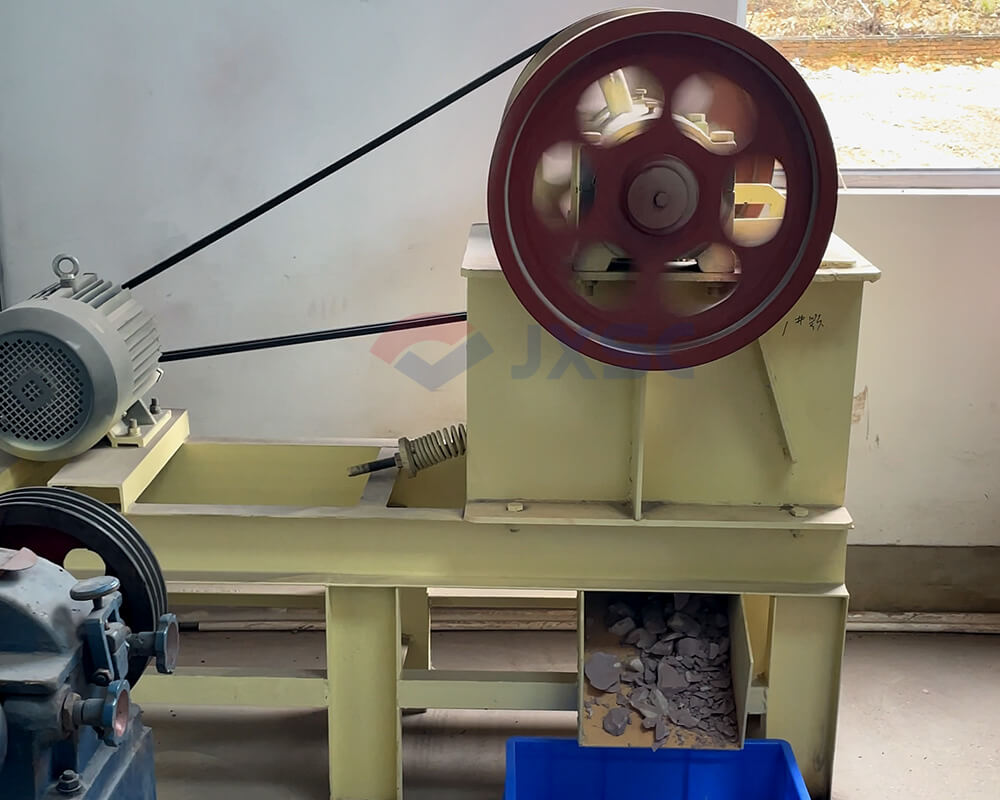
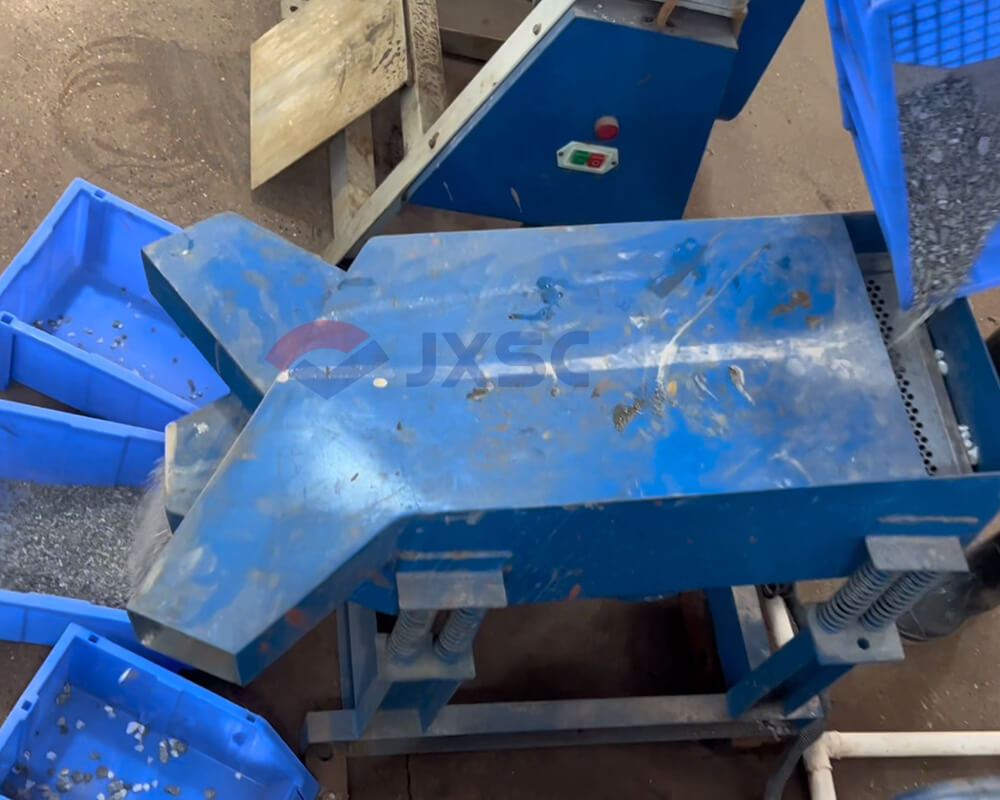
The crushing process is divided into three stages: coarse crushing, intermediate crushing, and fine crushing. Coarse crushing utilizes a jaw crusher to reduce the material to centimeter-scale particles; intermediate crushing employs a double-roll crusher to reduce it to millimeter-scale particles; and fine crushing uses a disc mill to achieve the target particle size. After each crushing stage, standard sieves are used to verify the particle size distribution and ensure the sample meets the required specifications.
3. Contamination-Free Grinding Techniques
The grinding process is a critical stage where elemental contamination is most likely to occur. For precious metal analysis, agate mortars are appropriate; for iron ores, tungsten carbide equipment is appropriate; and for rare earth minerals, zirconia grinding media are recommended. Grinding duration should be dynamically adjusted based on the hardness of the material, aiming to minimize the time required while still ensuring that the target particle size is achieved.
4. Scientific Sample Splitting Methods
For large-volume samples, the quartering method is used for preliminary splitting; for smaller volumes requiring precise splitting, a rotary sample splitter is employed. The minimum required sample quantity is strictly determined based on testing requirements to satisfy the multiple demands of parallel testing, re-analysis, and archival storage, thereby preventing issues related to insufficient sample representativeness.
5. Mineral Sample Drying and Storage Protocols
For standard minerals, high-temperature drying is applied; minerals containing crystal water undergo low-temperature drying, and sulfide-rich minerals are air-dried naturally. Once dried, samples are sealed in polyethylene bottles and stored in a light-shielded, temperature-controlled sample repository. A shelf life is assigned to each sample based on the stability of the specific mineral type, with easily oxidizable samples prioritized for immediate analysis.
6. Automated Sample Preparation Systems
In practical medium-to-large-scale mineral testing laboratories, fully automated production lines can execute the entire workflow—encompassing crushing, grinding, and packaging—thereby eliminating human error and effectively handling high-throughput sample preparation scenarios. Compared to manual operations, automated systems offer faster processing speeds, greater result consistency, and lower long-term operating costs. However, small-to-medium-sized laboratories may opt for a “automated crushing plus manual splitting” hybrid approach, striking a balance between cost control and enhanced analytical precision.
Conclusion
Mineral sample preparation constitutes the most fundamental operation in laboratory mineral analysis, while simultaneously serving as the most critical “error amplifier” within the entire analytical chain. Standardized mineral sample preparation procedures are the key to controlling laboratory testing errors. Standardizing key steps such as sampling, crushing, grinding, and fractionation can systematically improve the reliability of test data and reduce operating costs. We offer customized mineral sample preparation solutions tailored to scenarios ranging from small-scale laboratory and pilot-plant operations to large-scale industrial environments, thereby ensuring data reliability and reproducibility, and helping you boost both analytical efficiency and accuracy.