
Did you know that a flawed sampling method during ore beneficiation tests can cost a mining project tens of millions? Ore beneficiation (mineral processing) tests are the first step in building a processing plant—yet it is also the step most easily overlooked. If the test data is incorrect, all subsequent process design, equipment selection, and investment budgeting will be built on a faulty foundation. In one instance, a project moved straight to plant construction after merely taking a few shovel-loads of ore samples, testing a single reagent scheme, and seeing a seemingly acceptable recovery rate. However, once production began, the actual recovery rate turned out to be only 70%. Consequently, if testing isn’t done right, millions invested in the plant could go down the drain. Below, we outline the 7 most critical mistakes in mineral processing testing to help you avoid these pitfalls.
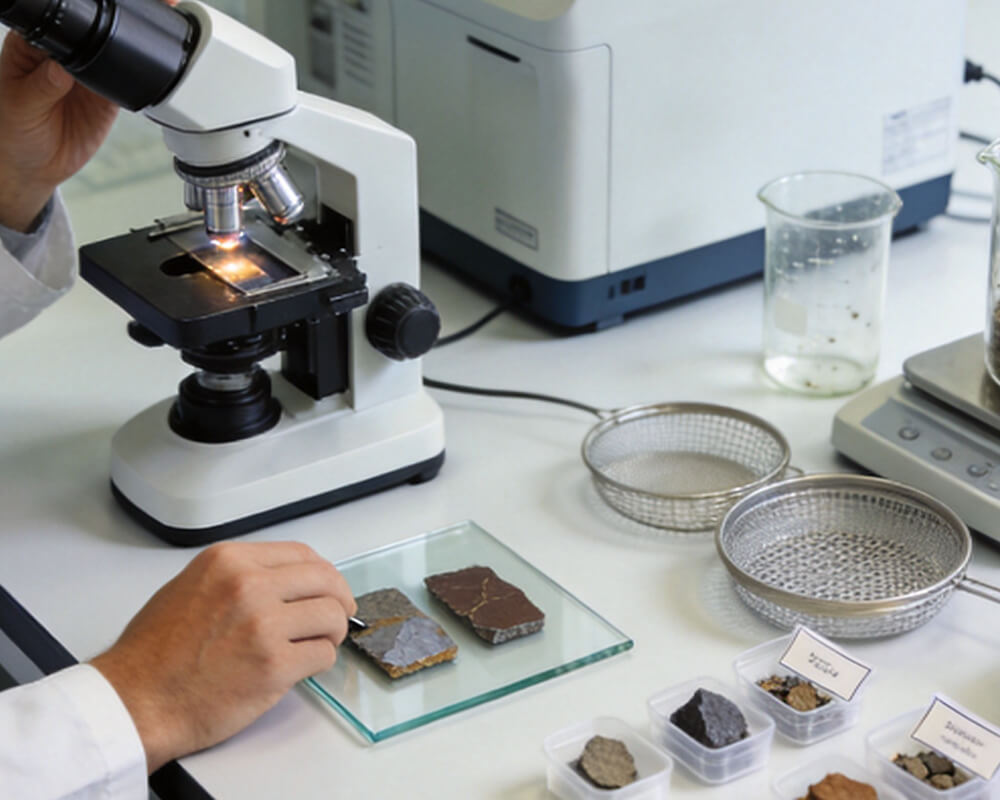
7 fatal mistakes in ore beneficiation tests: unrepresentative sampling, only conducting type tests, selecting the wrong flotation reagents, focusing only on recovery rate, ignoring difficult-to-process components, failing to calculate costs, and disorganized data recording. Avoid these seven pitfalls to ensure the investment profitability of the processing plant right from the start.
Table of Contents
List of 7 Ore beneficiation Test Mistakes to Avoid and Solutions
1: Non-representative ore sampling
Problem Description:
Ore bodies are not uniform; ore properties vary significantly across different locations. Taking only a few scoops from the surface results in the complete mixing of high-grade and low-grade zones. If a plant is built based on such data, the actual recovery rate after commissioning will inevitably fail to match projections. Sampling bias is the most insidious and fatal error in mineral processing tests.
Solution:
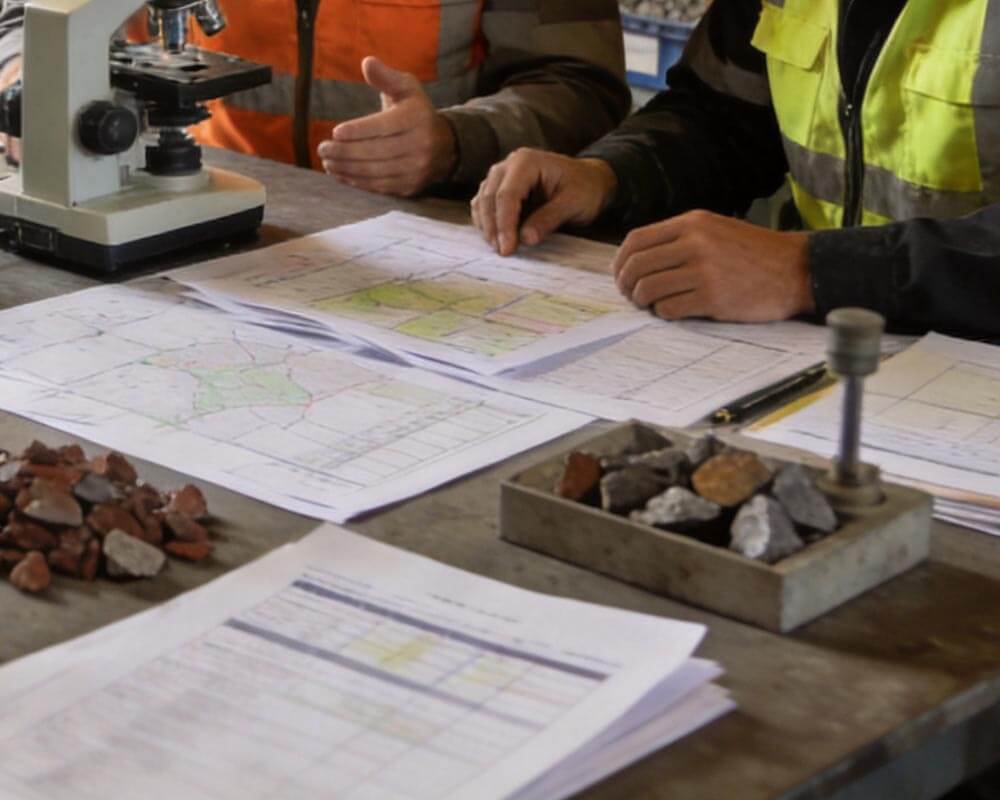
First, construct an ore body model to map the grade distribution across different zones. Employ a systematic grid sampling method in accordance with international standards—such as zoning samples based on grade—to ensure the samples cover the entire ore body. Integrate this with an analysis of the ore’s mineralogical composition to guarantee statistical representativeness.
2: Conducting only standard validation tests without performing optimization tests on operating conditions
Problem Description:
Stopping the exploration process after obtaining a single set of viable data prevents actual production from matching the optimal performance metrics identified during testing. Even minor deviations—such as crushing & grinding for an extra minute, adding an extra gram of reagent, or experiencing fluctuations in ore properties—can lead to vastly different results. Missing the optimal operating conditions means forfeiting potential gains in recovery rates.
Solution:
Begin with single-factor tests to understand the impact of each variable. Then, employ orthogonal testing methods to optimize combinations of multiple factors. Identify the best combination of process parameters through systematic mineral processing test design. The more thorough the optimization testing, the more stable the performance metrics will be once the process is put into production.
3: Incorrect Selection of Flotation Reagents
Problem Description:
Relying on experience to select reagents while ignoring seasonal and regional variations in ore characteristics. Improper combinations of collectors, depressants, and frothers lead to low concentrate grades or poor recovery rates.
Solution:
Conduct an analysis of mineral surface properties first to assess the ore’s floatability and processing difficulty. Screen various collectors and depressants to compare their performance. Select reagents based on specific ore characteristics and conduct dosage gradient tests to precisely control every variable.
4: Focusing Solely on Recovery Rate While Ignoring Concentrate Grade
Problem Description:
Pushing for a high recovery rate often causes the concentrate grade to drop, thereby reducing the selling price. Focusing on a single metric can lead to overlooking overall profitability and may even increase transportation costs. Recovery rate and grade must be considered together; neither should be neglected.
Solution:
Evaluate recovery rate, grade, and costs comprehensively. Identify the optimal balance point among the three, rather than simply chasing the peak value of a single metric. Calculate the bottom line and profit to gain a clear view of the overall economic return and select the most cost-effective beneficiation testing plan.
5: Ignoring Difficult-to-Process Fractions While Focusing Only on Easy-to-Process Ones
Problem Description:
The ore contains both easy-to-process sulfide minerals and difficult-to-process oxide minerals. If testing focuses only on the easy-to-process fraction, the data will look impressive, but the difficult fraction cannot be effectively recovered during actual production. The actual combined recovery rate falls significantly short of test data, severely undermining project profitability.
Solution:
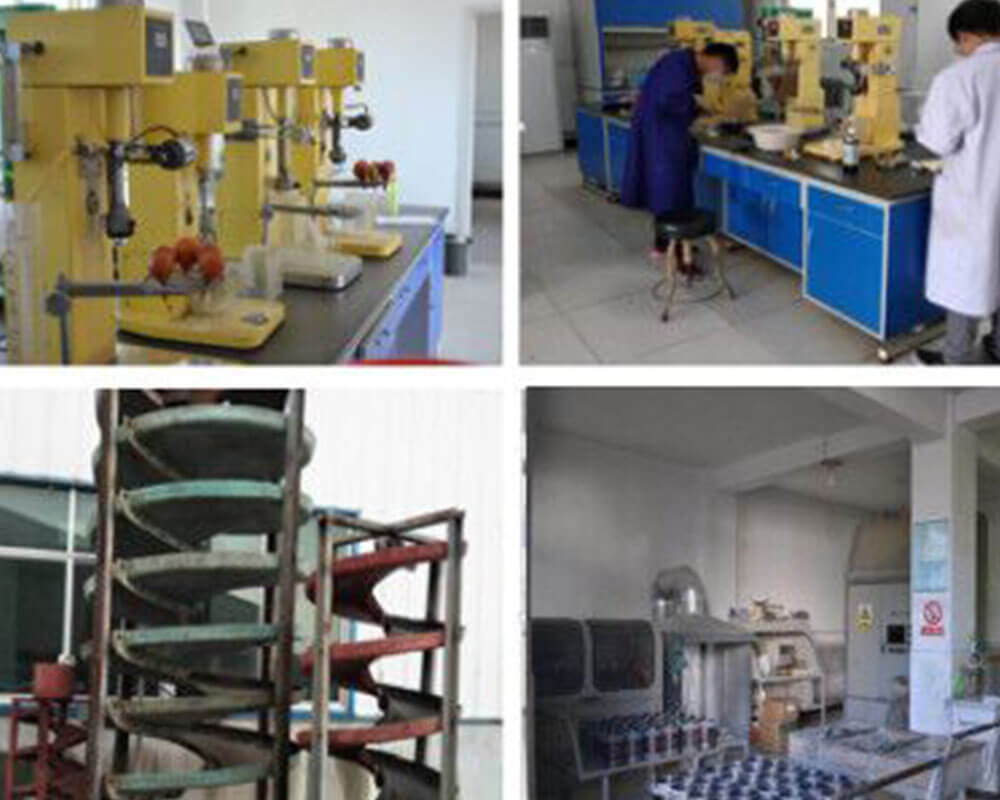
Analyze the complete mineral composition of the ore first to determine the proportions of easy-to-process and difficult-to-process fractions, and evaluate the recovery potential of each. Adopt a differentiated processing approach, matching specific ore components with appropriate techniques—such as flotation, gravity separation, magnetic separation, or leaching—to maximize recovery rates.
6: Prioritizing Performance Metrics Over Costs
Problem Description:
For example, doubling reagent dosage might indeed boost recovery, but reagent costs double as well. Grinding to an excessively fine particle size causes electricity and steel grinding ball consumption to skyrocket. While the metrics may look good on paper, the final financial calculation reveals a lack of profit.
Solution:
Convert reagent, electricity, and labor consumption into monetary costs during the testing phase. Simultaneously evaluate the benefits and cost increases associated with changes in performance metrics to identify the profit-maximizing approach. Jointly optimize ore beneficiation test costs and metrics to ensure that mineral processing test methods are both efficient and economically viable.
7: Non-standardized data recording
Problem description:
Data is recorded in a notebook one day and in a mobile phone memo the next. Over time, the original data becomes impossible to locate. Furthermore, mineral processing testing involves diverse and complex stages; if a different person conducts a subsequent step, changes in operating conditions may go unnoticed. Disorganized data recording prevents retrospective analysis and optimization, leading to the recurrence of the same errors.
Solution:
Standardize test recording templates to ensure consistent parameter formatting across batches. Implement digital management so that data remains accessible and traceable, even when different personnel conduct the tests.
Conclusion
Any one of the 7 mistakes of ore beneficiation tests can lead to significant technical discrepancies and economic losses, jeopardizing the long-term viability of the mining project. Mineral processing tests are not merely a formality; they are a critical step that determines the mineral processing success or failure. Rigorous testing at the outset is essential to ensure that full production capacity is achieved immediately upon startup and that investments yield rapid returns. If you require professional laboratory mineral processing equipment or customized services, don’t hesitate to get in touch with our team of experts—we are here to help you maximize the value of every mineral sample.