
With investments in a single chrome ore processing plant often reaching tens of millions of dollars, why is “testing” the essential first step? In the global chrome ore market, which has an annual output of over 40 million tons, South Africa alone contributes more than 60% of the market share. Behind every high-return ore processing plant lies a rigorous, advanced, and comprehensive ore testing system. Acting much like a “medical check-up” for the ore, this process precisely reveals its grade, mineral distribution characteristics, and even the presence of potentially harmful elements. Crucially, the data derived from these tests directly dictate the selection of multi-million-dollar equipment, the viability of the processing workflow, and, ultimately, the project’s return on investment. Therefore, chrome ore testing is never a cost, but rather the most cost-effective and essential first investment that should not be omitted in the entire ore processing plant.
Table of Contents
Ore testing must be the first step in a chrome plant project because it not only reveals key parameters such as the Cr/Fe ratio, gangue composition, and particle size distribution of chromite, but also predicts the amount of flotation reagents needed and the difficulty of tailings treatment. By conducting these tests, project stakeholders can avoid issues related to mismatched processing methods, inappropriate equipment selection, budget overruns, suboptimal recovery rates, and environmental compliance challenges.
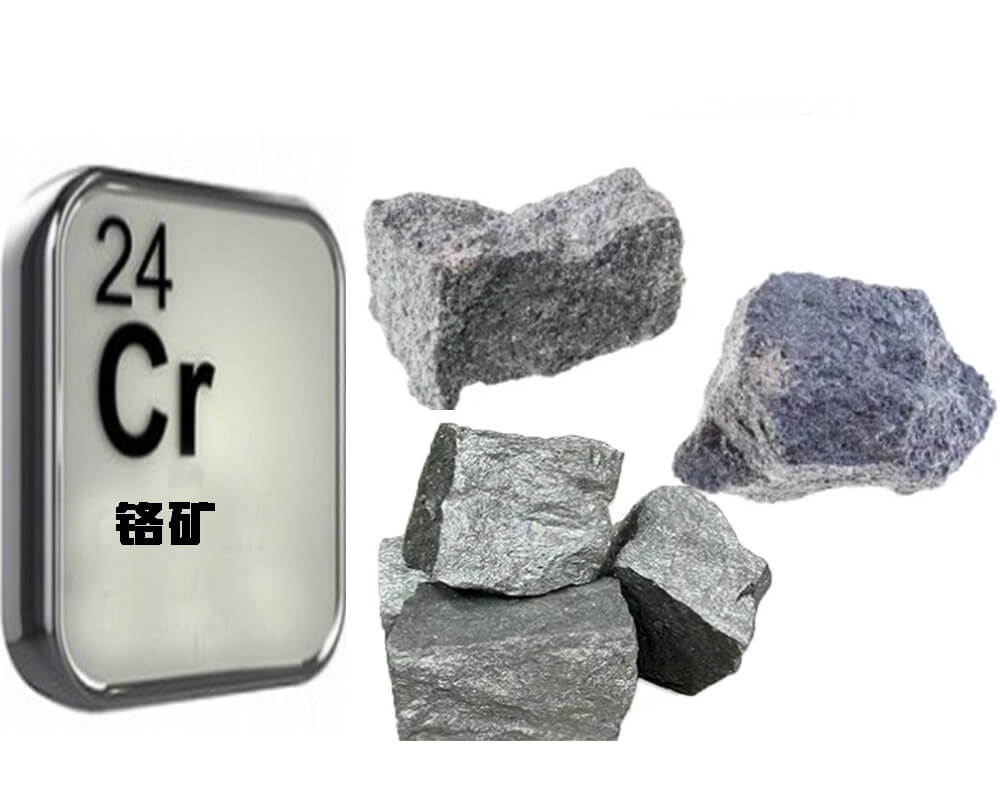
What is chrome ore testing?
(1) Definition
Chromium ore testing is a comprehensive examination of the ore. It goes far beyond analyzing a single element; instead, it uses a systematic, multi-layered methodology that includes ore assaying, mineralogical analysis, and beneficiation testing. Ore assaying determines the exact chromium content, while mineralogical analysis examines the specific characteristics and composition of the chromium-bearing minerals. The main approach is to use small laboratory equipment to test the theoretical process to determine whether it is feasible in a real plant.
(2) The impact of different grades on the process
However, beneficiation requirements differ significantly for chromium ores of different grades (metallurgical grade, foundry grade, and chemical grade).
- For instance, metallurgical-grade chromium ore, primarily used for ferrochrome smelting and stainless steel production, requires a high Cr/Fe ratio; this typically necessitates a combined gravity and magnetic separation process.
- Refractory-grade ore requires strict control over silicon and aluminum impurities, often processed using a combination of jigging and shaking table separation.
- Chemical-grade ore, meanwhile, is subject to stringent limits on harmful elements such as sulfur and phosphorus, and is frequently purified using flotation techniques.
Why must testing be carried out "first" at a chrome plant?
Without a solid understanding of the true characteristics of an ore, any process flowsheet is little more than a guess.
3 key roles of ore testing:
1. Mitigating design risks:
Mineralogical characteristics serve as the primary basis for determining the processing route. Testing reveals the occurrence and textural associations of chromium minerals, which in turn dictates whether gravity separation, magnetic separation, or flotation should be employed. Choosing the wrong route necessitates a complete overhaul of the entire process—a setback that not only causes delays but can also severely compromise project timelines and budgets.
2. Defining cost budgets:
Test data directly informs equipment selection and the scale of investment. Laboratory mineral processing tests can accurately calculate key parameters such as grinding fineness and separation concentration, avoiding waste caused by selecting equipment that is too large or too small.
3. Ensuring recovery rates:
Process schemes developed without prior testing may result in concentrate grades and recovery rates that deviate significantly from expectations. By using beneficiation tests to verify the feasibility of a proposed scheme before plant construction begins, one can ensure that recovery levels remain within an optimal range, allowing for the efficient extraction of chromium from the ore and ensuring that the initial investment yields the expected returns.
Cost of Neglecting Chrome Ore Testing
Process Mismatch:
Overlooking mineralogical characteristics can lead to a severe misalignment between the chosen processing scheme and the actual properties of the ore. Discovering equipment selection errors or process flow bottlenecks only after commissioning forces costly rework and retrofitting. This not only leaves equipment sitting idle but also results in the total loss of initial capital investment.
Failure to Meet Grade Requirements:
If a process fails to effectively concentrate chrome, the resulting concentrate may fall short of market-required grades. Chrome ore that fails to meet grade specifications is often rejected by buyers and commands only a low price; this leads to poor sales and diminishes the overall economic value of the entire production line.
Project Delays:
Construction timelines extended by the need for rework mean that significant capital remains tied up on-site, preventing timely recovery. When a mismatch in processes is discovered, it takes an additional 3-6 months from adjusting the solution to replacing the equipment, which not only causes the company to miss the best market conditions, but also reduces the return on investment.
Common Testing Methods for Chrome Ores
Step 1: Sampling and Representativeness
The first step in the testing process is to ensure that the samples accurately represent the characteristics of the entire ore body. If the selection of sampling locations, the quantity of samples, or the sampling methodology is flawed, the resulting data will deviate from reality. Since all subsequent assessments would then be based on distorted information, the sampling stage is a critical starting point that must never be overlooked.
Step 2: Chemical Analysis and Grade Determination
Once representative samples have been obtained, chemical analysis is conducted to determine the precise content of chromium and associated elements, which in turn establishes the ore’s grade. Grade is the core metric that dictates both the economic value of the ore and the appropriate processing approach; the results at this stage directly influence the direction and decision-making for all subsequent steps.
Step 3: Mineralogical Liberation Study
Mineralogical analysis focuses on the occurrence of chromium minerals, their grain size distribution, and the degree to which they are intergrown with gangue minerals. The degree of dissociation determines the ease of separating chromium from impurities and provides a structural basis for judging the feasibility of the process route. It is a key link between preliminary analysis and subsequent experiments.
Step 4: Small-Scale Testing
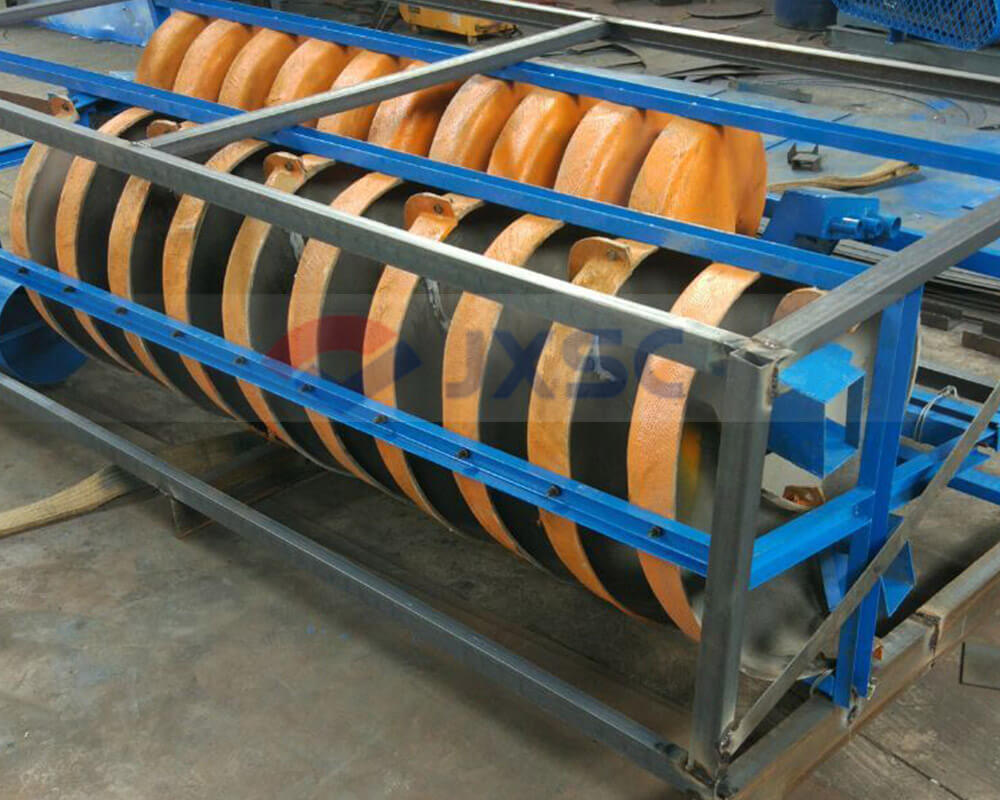
Building on the insights gained from earlier research, small-scale beneficiation tests are conducted to translate theoretical concepts into practical results. These tests verify whether the chosen process achieves the required enrichment and recovery levels, providing reliable engineering data for the design of full-scale production lines. For instance, gravity separation is highly effective for recovering coarse-grained chromite, with performance evaluated using equipment such as shaking tables or spiral chutes. Magnetic separation, by contrast, is better suited for fine-grained, disseminated chromite ores, with testing focused on separation performance under varying magnetic field strengths.
Step 5: Economic Feasibility Review
Once all test data have been compiled, the project’s overall economic feasibility is assessed by factoring in investment scale, operating costs, and projected returns. If the calculation results are unbalanced, the process plan should be reviewed retrospectively, and the equipment configuration and process parameters should be adjusted until the input and output reach a reasonable balance, so as to ensure that the project has sufficient benefit guarantee before construction.
Conclusion
Why must ore testing be the very first step in any chrome plant project? The answer actually runs through the entire article—it determines whether the design is based on sound reasoning, whether the budget can be accurately locked in, whether the recycling rate can be maintained, and more importantly, whether the project can avoid the pitfalls of rework, scrap, and capital tied up. A standard chromite ore testing protocol encompasses sampling, chemical analysis, mineral liberation studies, beneficiation experiments, and economic feasibility assessments. From precise sampling to ensure sample representativeness to process solutions validated through re-selection, magnetic separation, and other methods, each step directly impacts the final development decision. Whether you require a comprehensive chrome testing program or technical support for a specific phase, we offer professional, customized ore testing solutions tailored to your needs.